



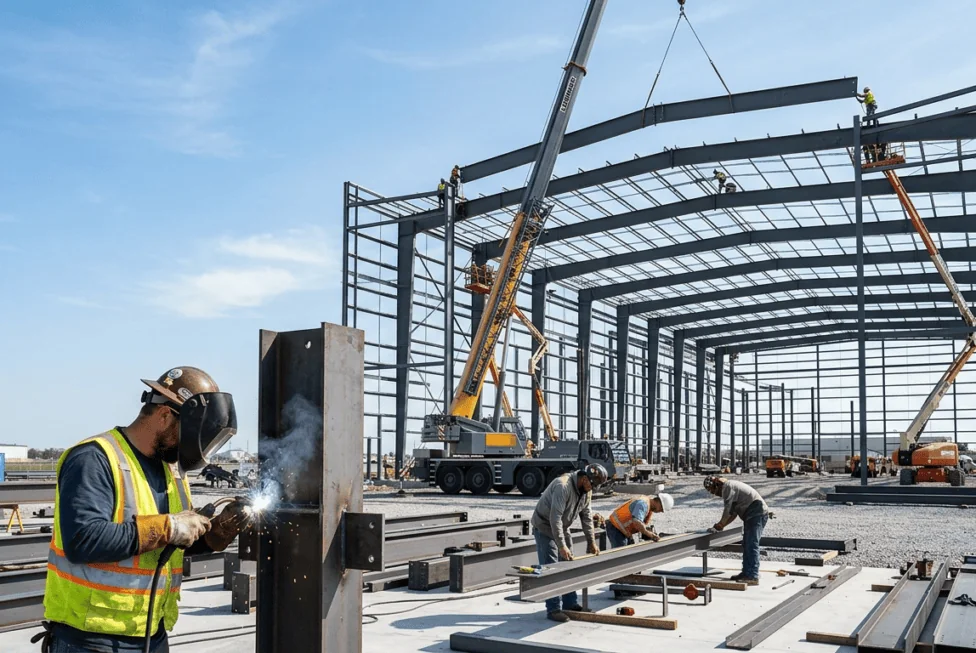
In the world of construction and engineering, fabrication and erection are two essential processes that ensure the structural integrity and functionality of buildings, bridges, and other large-scale infrastructure projects. While these terms are often used together, they refer to distinct stages of the construction process. Understanding the full scope of fabrication and erection is crucial for anyone involved in construction, whether you’re a builder, project manager, or client.
In this blog post, we will break down what fabrication and erection mean, why they are important, and how they contribute to the successful completion of a project.
What is Fabrication?
Fabrication refers to the process of designing, cutting, shaping, and assembling materials into parts or components that will eventually form a larger structure. In construction, fabrication is typically done in a controlled environment, such as a factory or workshop, where raw materials (like steel, aluminum, or concrete) are processed and transformed into ready-to-install components.
The fabrication process involves several key steps, including:
-
Design and Drafting: Engineers and architects create detailed blueprints and 3D models of the components that need to be fabricated. This design stage is critical for ensuring that the parts meet specific safety, durability, and aesthetic requirements.
-
Cutting and Shaping: The raw materials are cut to the required shapes and sizes using specialized equipment, such as lasers, water jets, and CNC (Computer Numerical Control) machines.
-
Assembly: The various parts are then assembled, either partially or fully, depending on the project’s complexity. This stage often includes welding, bolting, or riveting components together.
-
Quality Control: The fabricated components are thoroughly inspected and tested to ensure they meet the required standards. This may involve checking the material quality, structural integrity, and accuracy of the dimensions.
What is Erection?
Erection refers to the process of assembling and installing the fabricated components on-site to create the final structure. While fabrication occurs off-site, erection happens at the construction site, where the components are transported and carefully assembled to form the completed project.
The erection process typically involves the following steps:
-
Transporting Fabricated Components: Once the components are fabricated, they are transported to the construction site. This can involve the use of cranes, trucks, or specialized transportation vehicles.
-
Lifting and Positioning: Using cranes or other heavy machinery, the fabricated components are lifted into position. The installation of large and heavy pieces, such as steel beams or concrete slabs, requires precise coordination and careful planning.
-
Assembly: Workers on-site assemble the components, connecting them using bolts, welds, or other fastening methods. This stage also involves aligning the components correctly and ensuring they are securely attached.
-
Inspection and Testing: After the erection process is complete, the structure undergoes a final inspection to ensure everything is properly aligned and safe. Structural engineers will check for any discrepancies and address any issues that arise before the building is deemed ready for use.
Why Are Fabrication and Erection Important?
The fabrication and erection processes are integral to the successful completion of any construction project. Here’s why:
1. Quality and Precision
The quality of the materials used in fabrication and the precision with which they are fabricated are vital to the safety and stability of the structure. Proper fabrication ensures that all parts are made to exact specifications, which reduces the chances of errors or accidents during erection. A well-executed erection process ensures that these high-quality components are safely and accurately assembled on-site.
2. Cost and Time Efficiency
By completing much of the work off-site in a controlled environment, fabrication allows for faster and more efficient production of materials. This reduces the time required on-site for erection, helping to minimize construction delays and costs. Additionally, because fabrication often occurs in a factory with specialized equipment, the process can be done more efficiently and with fewer errors than on-site fabrication.
3. Safety
Both fabrication and erection are essential for ensuring the safety of the structure and the people working on it. Properly fabricated parts are easier and safer to handle during the erection process. Moreover, erection is often carried out with heavy machinery and workers at heights, making safety measures crucial. Proper training, safety protocols, and adherence to regulations help prevent accidents.
Safe fabrication and erection require appropriate fall protection, lifting procedures, personal protective equipment, and site safety practices. Construction safety guidance should always be followed according to applicable regulations and project requirements.
4. Customization and Flexibility
Fabrication and erection allow for a high degree of customization in construction projects. Builders can fabricate unique components to meet specific design requirements, whether for residential buildings, industrial structures, or bridges. Additionally, erection on-site allows for flexibility in adjusting and fine-tuning components to fit the overall design.
Applications of Fabrication and Erection in Various Industries
Fabrication and erection are not limited to a single industry. They are used in several sectors, each with its own unique requirements and challenges:
1. Commercial Construction
In commercial construction, fabrication and erection are commonly used for steel buildings, office complexes, shopping centers, and warehouses. The ability to fabricate complex structural components off-site and then quickly assemble them on-site allows for faster completion times and reduces disruptions to surrounding businesses.
2. Industrial Construction
For large-scale industrial projects, such as power plants, refineries, and factories, fabrication and erection are critical for building heavy machinery, piping, and structural supports. These projects require robust materials and precise assembly, both of which are made possible through efficient fabrication and erection processes.
3. Bridges and Infrastructure Projects
Bridges and other infrastructure projects rely heavily on fabrication and erection. Pre-fabricated bridge components, such as beams, columns, and decking, are fabricated off-site and then transported to the site for installation. This approach ensures that the components are built to exact specifications, which is essential for the safety and durability of the structure.
4. Residential Construction
In residential construction, fabrication is often used for elements like steel frames, doors, windows, and roofing components. These parts can be fabricated off-site and quickly assembled during the erection process. This not only speeds up the construction time but also enhances the quality and precision of the structure.
For businesses planning industrial, commercial, or warehouse projects, professional PEB services can streamline the design, fabrication, and installation process.
FAQs About Fabrication and Erection
Q: What materials are commonly used in fabrication?
A: The materials used in fabrication depend on the type of structure being built. Common materials include steel, aluminum, concrete, and sometimes wood. Steel is often used in fabrication due to its strength and durability.
Q: How long does the fabrication and erection process take?
A: The timeline for fabrication and erection depends on the complexity and size of the project. Smaller projects may take a few weeks, while larger, more intricate structures may take several months.
Q: Can fabrication and erection be done simultaneously?
A: While fabrication typically occurs before erection, the processes can sometimes overlap. For instance, while parts are being fabricated off-site, preparation for erection can begin on-site, such as clearing the area or laying foundations.
The overall PEB construction process includes project finalization, detailed drawings, manufacturing, quality checks, and subsequent site installation.
Conclusion
Fabrication and erection are two critical components of the construction process, ensuring that projects are completed efficiently, safely, and within budget. Whether you’re involved in residential, commercial, or industrial construction, understanding how fabrication and erection work together to build strong, durable, and cost-effective structures is essential. By leveraging these processes, builders can create high-quality, customizable, and sustainable buildings that meet the needs of modern society.